Understanding CNC Press Brake Machines
CNC press brake machines represent the pinnacle of modern metalworking technology, enabling manufacturers to accurately and efficiently bend a variety of materials. Utilizing computer numerical control (CNC) technology, these machines automate the bending process, ensuring precise control and high repeatability. With the evolution of CNC technology, press brakes have integrated advanced features that cater to a spectrum of industrial applications. In this detailed overview, we will explore how CNC press brakes work, their applications, and the various types available on the market, including where to find cnc press brake machine for sale.
Introduction to CNC Technology
CNC technology has revolutionized manufacturing by automating processes traditionally performed by human operators. At its core, CNC allows machines to be controlled via a computer system, which interprets design specifications to dictate machine movements. This results in enhanced precision, consistency, and efficiency in production runs. CNC press brakes leverage this technology to shape metal sheets into desired configurations, significantly reducing labor costs while improving accuracy.
How CNC Press Brakes Work
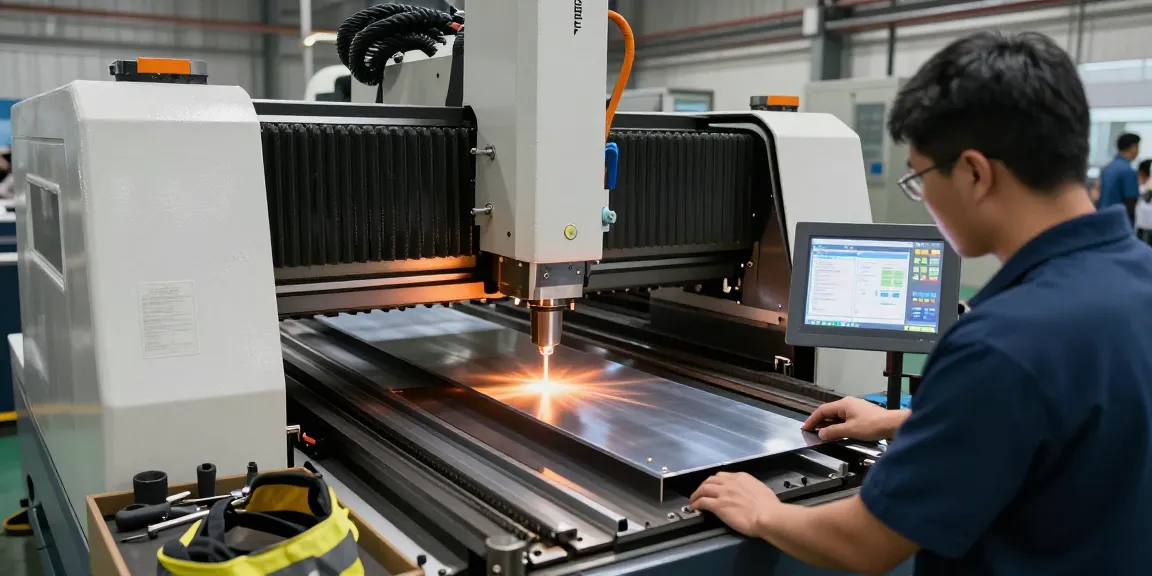
A CNC press brake primarily operates through a combination of hydraulic and electronic components. The heart of this machine is its servo-driven mechanism, which controls the bending process. The CNC system inputs programming instructions, allowing operators to execute complex bending tasks with minimal manual intervention.
- Hydraulic System: This system applies force to the ram that bends the metal workpiece. The hydraulic pressure can be adjusted for different materials and thicknesses, ensuring the desired bend without damaging the material.
- Electronic Control: The CNC controller interprets user inputs and translates them into machine movements. Modern controllers, like the ESA-S630, can handle multiple axes, allowing for intricate designs and adjustments.
- Feedback Loops: Advanced CNC models utilize feedback mechanisms to continually assess and adjust parameters during the bending process, ensuring high accuracy.
Application Areas for CNC Press Brakes
CNC press brakes are utilized across various industries, reflecting their versatility and indispensability in metal fabrication. Key areas of application include:
- Aerospace: Precision bending of aluminum and titanium components.
- Automotive: Production of complex body panels and supporting structures.
- Construction: Fabricating components for structural frameworks and support systems.
- Electronics: Creating enclosures and brackets for electronic devices.
The Benefits of the WEK Series CNC Press Brakes
The WEK series of CNC press brakes stands out in the market due to its advanced technological integration and user-centric design. Below we will delve into the key benefits that make the WEK series a preferred choice among manufacturers.
High Precision and Control Features
One of the hallmark advantages of the WEK series is its exceptional precision. With a standard configuration of 4+1 axes—comprising Y1, Y2 for ram control, and X, R, V for the back gauge and crowning—the accuracy is maintained to an impressive ±0.01mm. This high degree of control is vital in industries where tolerances are key to operational success.
Energy Efficiency in Manufacturing
Modern manufacturing demands not only precision but also sustainability. WEK series press brakes incorporate energy-efficient technologies, including servo motors that utilize only the necessary amount of power required for operation. This not only reduces operational costs but also contributes to a lower carbon footprint.
Flexibility in Machine Configurations
Each manufacturing setup has unique requirements. The WEK series offers customizable configurations, including options for additional axes (up to 8+1), enabling users to tailor the machine to their specific needs. This flexibility allows businesses to adapt quickly to changing demands without the need for significant capital expenditure on new machinery.
Comparing CNC Press Brake Machines for Sale
With a multitude of CNC press brake machines available on the market, discerning the right machine can be challenging. Understanding key specifications helps narrow down choices effectively. Here are the critical factors to consider when comparing different models.
Key Specifications to Consider
- Nominal Pressure: The force exerted during the bending process, typically measured in kilonewtons (kN).
- Table Length: The physical length of the machine, affecting its capacity to handle larger materials.
- Distance Between Housings: This impacts the type of workpieces the machine can manage.
The Importance of After-Sales Support
Choosing a CNC press brake also involves considering the manufacturer’s after-sales support. A dependable support system ensures your machine remains operational, with quick access to spare parts and maintenance services, which is crucial for minimizing downtime in production. Companies like SC SHENCHONG emphasize comprehensive customer support to enhance user experience.
Cost vs. Value: Making an Informed Decision
Cost is an essential factor, but it should not be the sole consideration. Evaluating the value derived from purchasing a new CNC press brake includes examining the machine’s longevity, reliability, and the possible return on investment (ROI) in terms of improved productivity and reduced operational costs.
Automation in Press Brake Operations
With Industry 4.0 driving advancements, automation has become integral to manufacturing processes. CNC press brakes are now often complemented by automation technologies to improve efficiency.
Integrating Robotics with CNC Press Brakes
The integration of robotics with CNC press brakes has paved the way for new manufacturing paradigms. Robotic arms can be configured to work in tandem with press brakes, facilitating rapid changeovers and enhancing production rates while reducing human error.
The Future of Automated Metal Fabrication
The future of metal fabrication will likely see further advancements in both CNC and robotic technologies. Predictive maintenance, IoT-enabled machines, and AI-guided automation processes are on the horizon, ensuring continuous operation and minimal disruptions.
Optimizing Workflows with Smart Technology
Smart technologies are revolutionizing the efficiency of CNC machining operations. Features such as real-time monitoring and automated reporting functions are invaluable for optimizing workflows and ensuring that production meets fluctuating market demands.
Choosing the Right CNC Press Brake for Your Needs
Understanding your specific production requirements is crucial when selecting a CNC press brake. Different projects may require distinct capabilities, and having that clarity can guide you in choosing the right machine.
Assessing Your Production Requirements
Evaluate the types of materials you will be bending, the thickness of those materials, and the complexity of the bends required. This will help you determine the specifications your CNC press brake must meet to ensure efficient production.
Evaluating Vendor Reputation and Reliability
When purchasing a CNC press brake, consider the reputation of the manufacturer. An established vendor with a track record of quality and reliable service is more likely to provide a machine that meets your production demands. SC SHENCHONG, for example, is recognized for its exceptional quality and client-focused approach.
Customization Options for Specific Projects
Customization can play a pivotal role in achieving manufacturing excellence. Identify whether the vendor offers modifications that can tailor the machine to your specific production needs. Whether it’s adjusting the axis configurations or adding specific safety features, customization is key.
Frequently Asked Questions
What types of materials can a CNC press brake machine process?
CNC press brakes can effectively process a wide variety of materials, including steel, aluminum, copper, titanium, and composite materials. The machine’s settings can be adjusted based on the specific type and thickness of the material being bent.
How to maintain a CNC press brake for optimal performance?
Regular maintenance is essential for optimal performance. This includes checking hydraulic fluid levels, maintaining the cleanliness of working parts, and regular calibration of the CNC system to ensure precision and reduce downtime.
What is the typical lifespan of a CNC press brake machine?
The lifespan of a CNC press brake can vary widely, typically ranging from 15 to 25 years, depending on factors such as usage intensity, maintenance practices, and quality of the original equipment. Investing in quality machines and robust maintenance practices can significantly extend this lifespan.