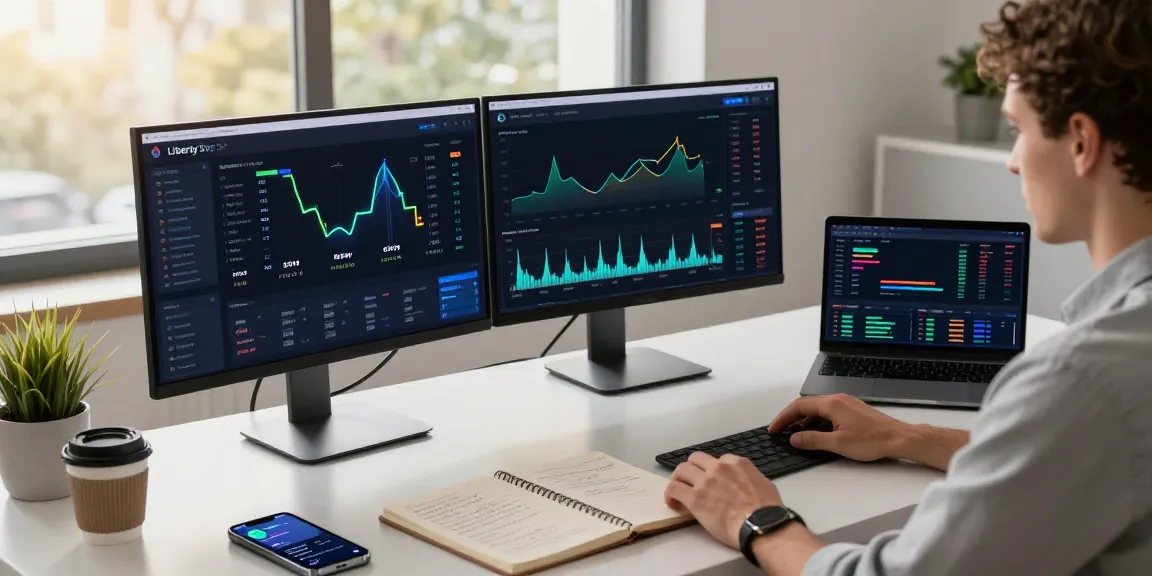
Understanding the Futures High Frequency Tick API
In the fast-paced world of financial trading, the need for precise, real-time data is paramount. This is where the futures high frequency tick API comes into play, providing traders, developers, and financial institutions with the necessary tools to navigate the complexities of global futures markets. With a focus on delivering high-quality, low-latency data, this API caters to those who require detailed insights to make informed trading decisions.
What is a Futures High Frequency Tick API?
A Futures High Frequency Tick API is a specialized application programming interface designed to offer traders and institutions access to high-frequency trading data related to futures contracts. It supplies real-time quotes, market depth, volume, open interest, and tick-by-tick data that can help traders identify market movements and trends almost instantaneously. By employing such technology, users can enhance their trading strategies, optimize transaction timing, and gain a competitive edge in the markets.
Key Features and Benefits of Using this API
- Real-Time Data: Access to real-time market information ensures that traders have the most updated data at their fingertips.
- Low Latency: With millisecond latency, the API allows for swift data retrieval, crucial for high-frequency trading strategies.
- Comprehensive Market Coverage: The API covers major sectors such as energy, metals, and agriculture, providing a full spectrum of market insights.
- Level 2 Market Depth: Detailed market depth data offers insight into the supply and demand dynamics at various price levels.
- Position Analysis: The API enables users to analyze their positions effectively, helping with risk management and strategy adjustments.
Advantages of the Futures High Frequency Tick API
Real-Time Data and Low Latency Performance
The primary advantage of utilizing a Futures High Frequency Tick API is the ability to access real-time data with extremely low latency. In trading, every millisecond counts. APIs that provide data with minimal delay allow traders to react quickly to market changes, which can significantly impact profit margins. For instance, being the first to act on a price change can lead to better trade execution and reduced slippage.
Enhanced Market Analysis Capabilities
With access to detailed market information, traders can perform enhanced analysis. The API supports advanced charting and analytics tools, enabling users to visualize data trends effectively. For example, traders can leverage market depth and tick data to perform predictive analysis, identifying potential support and resistance levels that can guide their trading strategies.
Support for Advanced Trading Strategies
Many modern trading strategies hinge on the capability to analyze and react to high-frequency data streams. The Futures High Frequency Tick API empowers quantitative analysts and algorithmic traders to build complex trading models. By harnessing the rich dataset provided by the API, users can refine their strategies, potentially leading to more consistent returns.
Challenges and Considerations
Common Pitfalls When Implementing the API
While the Futures High Frequency Tick API offers numerous advantages, there are challenges involved in its implementation. Developers must ensure they have the right infrastructure to handle the data load, which may require a significant investment in both hardware and software. It's also crucial to have a clear understanding of the API's documentation to avoid integration pitfalls.
Data Accuracy and Dependency Risks
Data accuracy is critical in trading; inaccurate data can lead to poor decision-making and financial loss. Relying heavily on an API for real-time data introduces a degree of dependency risk. Users must have contingency plans to mitigate issues related to data integrity and connectivity, ensuring that their trading strategies are not compromised during outages or technical difficulties.
Compliance and Regulatory Challenges
Financial data is subject to numerous regulations, and users of the Futures High Frequency Tick API must ensure compliance with local and international laws regarding data usage and trading practices. Keeping abreast of changes in regulatory requirements can be challenging, particularly for institutions operating across multiple jurisdictions.
Best Practices for Utilizing the API Effectively
Integrating Tick Data into Trading Systems
Integrating tick data into existing trading systems requires a well-thought-out approach. Traders should begin by defining their specific requirements and desired outcomes. This clarity will help in determining the best way to structure data flow, ensuring that the API is utilized to its full potential without overwhelming existing systems.
Utilizing Market Depth and Open Interest Data
Market depth and open interest data are invaluable for traders, providing insights into market liquidity and trading activity. Users should focus on analyzing these metrics to better understand market sentiment and potential price movements. For example, high open interest coupled with significant price changes might indicate bullish or bearish trends worth investigating further.
Optimizing Performance Metrics and Analysis
To maximize the benefits of the Futures High Frequency Tick API, traders should continuously analyze the performance of their strategies. This can be achieved by setting up performance metrics that track the effectiveness of trades made using the API data. Regular assessments can highlight areas for improvement and help refine trading techniques.
The Future of Futures APIs: Trends to Watch in 2026
Emerging Technologies Impacting Futures Trading
The landscape of futures trading is evolving rapidly, and new technologies are emerging that could significantly impact how data is utilized. Artificial intelligence and machine learning are increasingly being integrated into trading algorithms, offering improved predictive capabilities and more nuanced market analyses. Traders who embrace these technologies will likely find themselves at a competitive advantage.
Predictions for API Development and Market Adaptations
As financial markets continue to grow more complex, the demand for sophisticated APIs is expected to increase. Future iterations of the Futures High Frequency Tick API may include enhanced features such as predictive analytics models and integrations with blockchain technology, providing added security and transparency in trading activities.
Industry Insights from Leading Experts
Experts predict that the next few years will see a substantial shift toward more personalized trading experiences. APIs may evolve to offer customizable data feeds, allowing traders to focus on specific metrics that are most relevant to their strategies. Staying updated with industry insights will be critical for traders looking to leverage these advancements effectively.
What is the cost of using a Futures High Frequency Tick API?
The cost of implementing the Futures High Frequency Tick API can vary based on the features and level of access required. Providers often offer tiered pricing models, accommodating individual traders and larger institutions alike, making it accessible for a wide range of users.
How can I integrate the API into my existing trading platform?
Integrating the Futures High Frequency Tick API into an existing trading platform generally involves several steps, including setting up the API connection, mapping data fields, and ensuring compliance with any necessary protocols. It is advisable to consult the API documentation and perhaps seek technical assistance if needed to facilitate a smooth integration process.
What makes the futures tick data different from other market data?
Futures tick data provides granular details about the price movement of futures contracts, typically updating with every trade or quote. This contrasts with other forms of market data, such as end-of-day pricing, which might offer only a snapshot and overlook the crucial price dynamics that can occur throughout the trading day.
Are there specific programming languages recommended for working with the API?
While many programming languages can be employed to interact with the Futures High Frequency Tick API, popular choices include Python, Java, and C++. These languages offer robust libraries for making API calls and handling the large data sets commonly involved in high-frequency trading.
How do I ensure compliance when using market data APIs?
To ensure compliance when using market data APIs, organizations must stay informed about relevant regulations, maintain thorough documentation of data usage, and implement necessary data security measures. Consulting with legal and compliance experts can help navigate the complexities associated with trading regulations.